Living with NTM Lung Disease
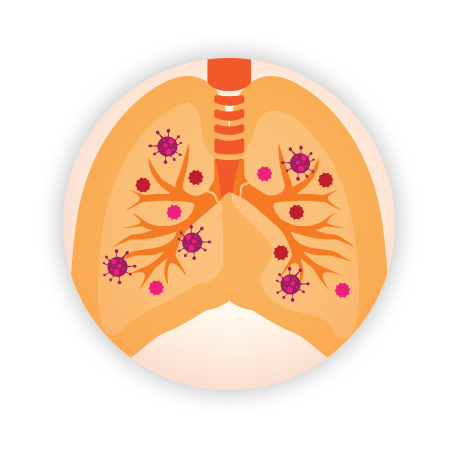
Nontuberculous mycobacterial (NTM) lung disease is a chronic, progressive condition caused by nontuberculous mycobacteria. NTM lung disease occurs more frequently in older adults and people with other lung diseases, like bronchiectasis, and chronic obstructive pulmonary disease (COPD).
NTM lung disease occurs more frequently in older adults and people with other lung diseases, like bronchiectasis and chronic obstructive pulmonary disease (COPD). Treatment can get rid of NTM infection, however damage to your lung tissue may be permanent.1
Causes
Causes Of NTM Lung Disease
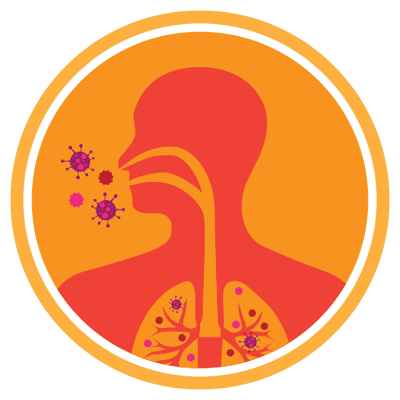
Nontuberculous (NTM) mycobacteria are naturally occurring bacteria commonly found in water (both natural sources and treated tap water) and soil in the environment.2 Most NTM species do not cause infections in humans, but some do including:1
- Mycobacterium avium complex (MAC), the most common1
- Mycobacterium avium
- Mycobacterium avium intracellulare (also known as MAI)
- Mycobacterium abscessus
- Mycobacterium kansasii
- Mycobacterium xenopi
NTM are also referred to as atypical mycobacteria, mycobacteria other than tuberculosis (MOTT), or environmental mycobacteria.3

Environmental Sources
You or your child may become infected with NTM mycobacteria when you breathe in droplets of water and particles of soil in the air (for example during showers and baths, and activities like gardening). Biofilm in sink faucets and showerheads can act as a breeding ground for mycobacteria.4
What is biofilm?
A biofilm is a thin, slimy film of microorganisms that forms on a surface. Biofilms are made up of bacteria, fungi, and other microorganisms that secrete a sticky, protective layer of extracellular polymeric substances (EPS). These substances help the microorganisms to adhere to the surface and to each other, forming a cohesive community.
Signs, Symptoms & Diagnosis
Symptoms and Signs of NTM Lung Disease Include:1
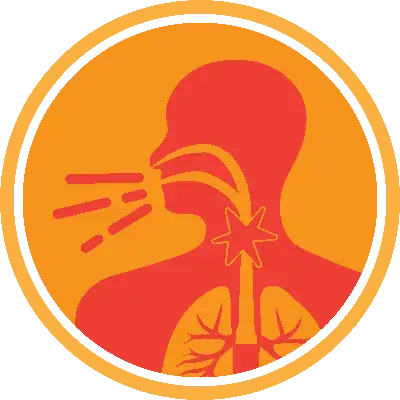
- Cough – may be persistent or periodic and you may or may not cough out sputum
- Shortness of breath (breathlessness)
- Wheezing
- Coughing up blood (hemoptysis) or thick mucus
- Chest pain around the lung area
- Fatigue, lack of energy
- Weight loss and loss of appetite
- Night sweats, fever
Some patients with NTM infections are also vulnerable to other bacterial infections such as aspergillus and pseudomonas.2
Diagnosis of NTM Pulmonary Disease Involves:1
- Sputum culture to test for NTM and identify the strain of mycobacteria causing the infection
- Chest x-ray to indicate an NTM infection is present and a CT (computed tomography) scan to show extent and location of disease. The CT scan can show nodules, sometimes referred to as “tree-in-bud” because they look like branches
- Medical history to help your doctor understand why certain underlying lung conditions exist
Treatment goals include:1
- Negative sputum (mucus) culture test
- Reduced symptoms
- Improved chest x-ray and CT scan
Non-Medication-Based Treatment & Therapies
Non-Medication-Based Treatment and Therapies
For any treatment or therapy, you should first consult with your health care provider to determine which treatments or therapies may be best suited for you or your child. Some MAC lung disease treatments and therapies that you should consider discussing with your health care provider are discussed below.
Airway Clearance1
Airway clearance may be an important way to manage NTM lung disease. Airway clearance therapy (ACT) uses non-invasive techniques to help loosen mucus or sputum so it can be cleared from your airways by coughing or huffing. There are many different airway clearance techniques. It’s important to speak with your health care provider to find the type and frequency of treatment that’s best for you or your child. Two airway clearance types are mentioned below.
Oscillating positive expiratory pressure (OPEP) therapy
An OPEP device is a handheld device that combines positive expiratory pressure (PEP) with oscillations (or vibrations) to help clear secretions from your airways. As you exhale through the mouthpiece, positive pressure holds the airways open and allows air to get behind the mucus. Oscillations help to thin, loosen and move the mucus to the larger airways of your lungs where it can be coughed out.
Chest physical therapy (chest PT) with postural drainage12
Chest physical therapy or physiotherapy (CPT), also known as postural drainage and percussion (PD&P) is performed by your health care provider or care giver. You’re placed in several different postures or positions to help drain mucus from different parts of your lungs using gravity. Percussion or clapping on your chest wall is done by your care provider to help move the mucus into your larger airways so it can be coughed out.

Sinus Wash12
A nasal wash helps to get rid of excess mucus and prevent this mucus from draining into your lungs. Check with your health care provider to determine if sinus washing is recommended for you.
Hydration12
Fluid is important for thinning mucus secretions, which in turn helps you clear mucus from your airways.
Physical Activity1
Regular physical activity and pulmonary rehabilitation exercise can help manage your symptoms. Speak with your health care provider about the extent and type of exercise suitable for you before starting.
Nutrition and Supplements6
Proper nutrition is very important to improving your health and fighting fatigue.1 Maintaining a healthy weight and eating a balanced diet is an essential part of your treatment plan.
Gastrointestinal (GI) distress is a common side effect of taking antibiotics. A probiotic supplement can help restore good bacteria in your GI tract.2
Speak with your health care provider or pharmacist before starting a supplement regimen as supplements can interfere with some medications.6
Emotional and Spiritual Wellness13
NTM lung disease can have a significant impact on your life and on your family’s life as well. It’s important for you to take care of yourself physically and emotionally. Remember to ask for help from family and friends.
Medication-Based Treatment
Medication-Based Treatment
Antibiotics
NTM lung disease treatment usually includes long-term use of antibiotics.1 Combinations of drugs are often prescribed to effectively treat a specific strain of NTM.7 Some antibiotics are taken orally (by mouth), intravenously (IV) or inhaled with a nebulizer. It’s extremely important to care for your nebulizer in order to avoid introducing other bacteria or infections into your lungs.12
Mucus Thinners12
Hypertonic saline is a sterile saline solution with a salt (NaCl) content of 1% or higher that is used to hydrate and loosen mucus, making it easier to cough up. Hypertonic saline is inhaled using a nebulizer.
Bronchodilators12
Bronchodilators are drugs that relax and open your airways, so air can flow more freely into your lungs allowing you to breathe more easily. Bronchodilators can be used before an airway clearance session to help with mucus clearance. Salbutamol (or albuterol) is a commonly used bronchodilator that is inhaled using an inhaler (puffer) and a valved holding chamber or a nebulizer.
Precautions & Resources
Precautions, Reducing Exposure and Resources
Vaccinations
Influenza (flu) can be serious for a patient with an NTM infection.2 Speak with your health care provider about flu and pneumonia vaccines.
Reducing Exposure To NTM
Tips to help reduce exposure to NTM include:8
- Ensure plenty of ventilation in your bathroom
- Clean your showerhead and faucets regularly to remove biofilm
- Reduce your exposure to dusts from potting soil
- When using a humidifier use sterilized water. Boil the water first for 10 minutes to kill NTM8,9
Additional Resources
Patients and Caregivers
References
- Nontuberculous Mycobacterial Lung Disease. National Organization for Rare Disorders (NORD). (Last accessed February 23, 2024).
- What is NTM? Bronchiectasis and NTM 360°. COPD Foundation. (Last accessed January 17, 2024).
- Nontuberculous Mycobacteria (NTM) Infections. CDC Centers for Disease Control and Prevention. (Last accessed January 17, 2024).
- Joseph O Falkinham. Environmental Sources of Nontuberculous Mycobacteria. Clinics in Chest Medicine 2014;36(1):35-41.
- Jyotsna Bhattacharya, , et al. Nontuberculous Mycobacterial Infections in Children. Pediatrics In Review 2019;40(4):179-190.
- Nutrition Guide. NTM Info & Research, Inc. (Last accessed January 17, 2024).
- NTM Lung Disease Treatment. NTM Info & Research, Inc. - Medications (Last accessed January 17, 2024).
- NTM Lung Disease Treatment. NTM Info & Research, Inc. - Reducing Exposure (Last accessed January 17, 2024).
- Joseph O Falkinham. Reducing Human Exposure to Mycobacterium avium. Annals of the American Thoracic Society 2013;10(4):378-382.
- O'Donnell DE, Parker CM. COPD exacerbations 3: Pathophysiology. Thorax 2006;61:354-361.
- Wolkove N, et al. Use of a Mucus Clearance Device Enhances the Bronchodilator Response in Patients With Stable COPD. CHEST 2002;121(3):702-707.
- NTM Info & Research, Inc. (Last accessed January 17, 2024).
- NTM Info & Research, Inc. (Last accessed February 23, 2024).