Why this device?
The AEROBIKA* Oscillating Positive Expiratory Pressure (OPEP) device is a drug-free and easy to use device that can help clear excess mucus in the airways and improve breathing.1
The AEROBIKA* device has an innovative pressure-oscillation mechanism that creates positive pressure pulses when a patient exhales. The positive pressure created can assist with opening weak or collapsed airways.1 The AEROBIKA* device also produces vibrations in the airways that can help to thin and loosen mucus, naturally moving it to the upper airways where it can be coughed out easily.2
The AEROBIKA* device can be used to manage respiratory conditions such as COPD, Bronchiectasis, and Cystic Fibrosis.
For more information, news, and reminders, sign up for: MyAERO* Program.
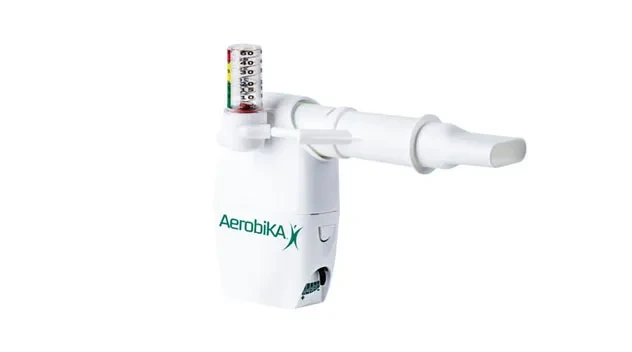
AEROBIKA* OPEP Device with Manometer designed for hospital use.
Contraindications
The use of the device is not recommended for the following conditions: Patients unable to tolerate the increased work of breathing, Intracranial pressure (ICP) > 20 mm Hg, Hemodynamic instability (blood pressure instability), Recent facial, oral, or skull surgery or trauma, Acute sinusitis, Epistaxis (bleeding nose), Esophageal surgery, Nausea, Active hemoptysis (bleeding from lungs), Untreated pneumothorax (untreated collapsed lung), Known or suspected tympanic membrane rupture or other middle ear pathology
1. Svenningsen S, Paulin GA, Sheikh K, et al. Oscillatory Positive Expiratory Pressure in Chronic Obstructive Pulmonary Disease. COPD. 2016;13(1):66-74.
2. Jean Bourbeau, R. Andrew McIvor, Hollie M. Devlin & Alan Kaplan (2019): Oscillating positive expiratory pressure (OPEP) device therapy in Canadian respiratory disease management: Review, care gaps and suggestion for use, Canadian Journal of Respiratory, Critical Care, and Sleep Medicine, DOI: 10.1080/24745332.2018.1558426
- Bronchiectasis
- COPD
- Cystic Fibrosis
- Drug Free
- Nebulised Medication
Product Overview
About the drug-free AEROBIKA* OPEP Device
- Helps open and clear the lungs1
- Quick and easy to use
- Simple to clean and disinfect
- Five resistance settings to adjust to each patient’s needs
- Backed by clinical evidence
- Not Made or Manufactured with BPA, Natural Rubber Latex, Phthalates, Lead, or PVC
1. McIvor RA et al. Optimizing the delivery of inhaled medication for respiratory patients: the role of valved holding chambers. Canadian Respiratory Journal 2018.
2. Levy ML et al. Asthma patients’ inability to use a pressurized metered-dose inhaler (pMDI) correctly correlates with poor asthma control as defined by the Global Initiative for Asthma (GINA) strategy: a retrospective analysis. Prim Care Respir J. 2013; Dec;22(4):406-11
3. Canadian Thoracic Society – 2010 Consensus Summary for children six years of age and over, and adults.
4. Global Initiative for Asthma 2020.
COPD Exacerbations
For people living with COPD, excess mucus production is associated with an increase in risk for exacerbations and hospitalizations.3
After a COPD exacerbation (flare-up), patients' lungs may be weakened putting them at risk of another flare-up. According to Canadian data, 1 in 5 patients hospitalized for a COPD exacerbation require re-hospitalization within 30 days.4
Effectiveness Proven by Clinical Evidence
In a clinical study, using the AEROBIKA* OPEP device has been show to reduce COPD flare-ups by 28% within 30 days of use and significantly reduce the use of oral corticosteroids and antibiotics.5
In the image below, the teal colour and intensity show areas with gas distribution. The yellow circles represent areas of greatest change after 3-4 weeks of AEROBIKA* device use.
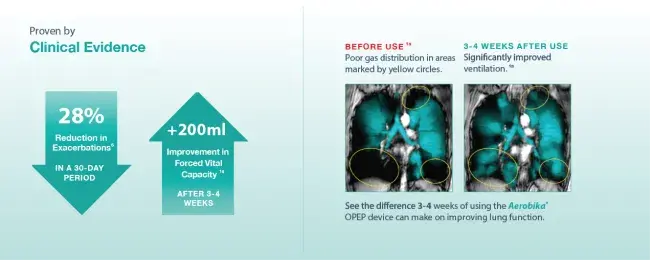
1a. Adapted from Svenningsen S, Paulin GA, Sheikh K, et al. Oscillatory Positive Expiratory Pressure in Chronic Obstructive Pulmonary Disease. COPD. 2016;13(1):66-74
3. Tian PW, Wen FQ. Clinical significance of airway mucus hypersecretion in chronic obstructive pulmonary disease. J Transl Int Med. 2015 Jun-Sep;3(3):89-92.
4. Shah T, Press VG, Huisingh-Scheetz M, White SR. COPD Readmissions: Addressing COPD in the Era of Value-based Health Care. Chest. 2016 Oct;150(4):916-926.
5. Burudpakdee, C, Seetasith, A, Dunne, P, et al. A Real-World Study of 30-Day Exacerbation Outcomes in Chronic Obstructive Pulmonary Disease (COPD) Patients Managed with Aerobika OPEP. Pulmonary Therapy 2017;3(1):163-171
6. Glenn Leemans, Dennis Belmans, Cedric Van Holsbeke, Vladimir Kushnarev, Jason Suggest, Kris Ides, Dirk Vissers, Wilfried De Backer International Journal of Chronic Obstructive Pulmonary Disease 2020:15 1261–1268.
How to be reimbursed for the cost of the AEROBIKA* OPEP Device?
CANADA Reimbursement is as easy as these three steps:
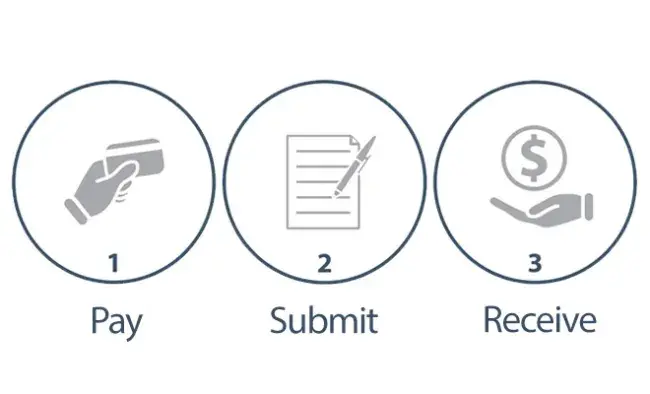

- Prescription is required for reimbursement
- Devices are often covered on extended health benefits via a manual pay-and-submit process
- Many private insurance plans will cover the AEROBIKA* OPEP device
- Please consult your individual plan for your level of coverage
- Depending on where you reside, public health plans may be available to cover the AEROBIKA* OPEP device
- Always submit the receipt and prescription directly to your insurance provider even if denied in the pharmacy
- Claims submitted through the pharmacy counter may be wrongly denied coverage
- Please consult your individual plan for your level of coverage
AEROBIKA* OPEP device may be covered by NIHB.
If you have any questions about
AEROBIKA* OPEP reimbursement options, please contact a representative.
Care Instructions
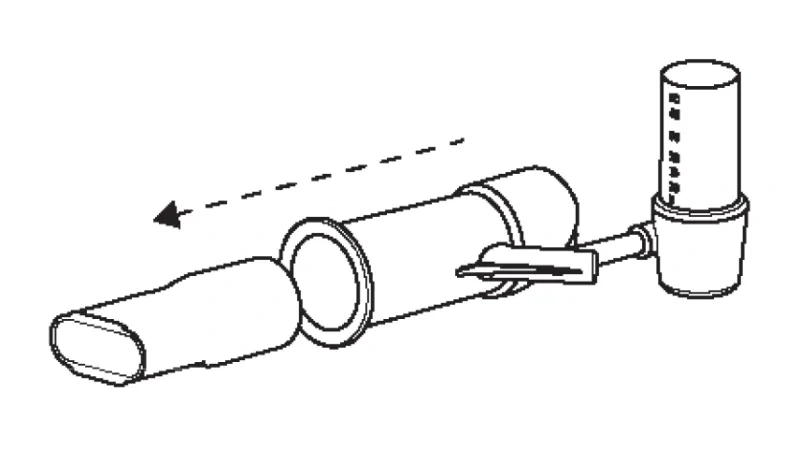
How to Use the Manometer with the AEROBIKA* OPEP Device
Follow the steps outlined below or download our full instructions.
-
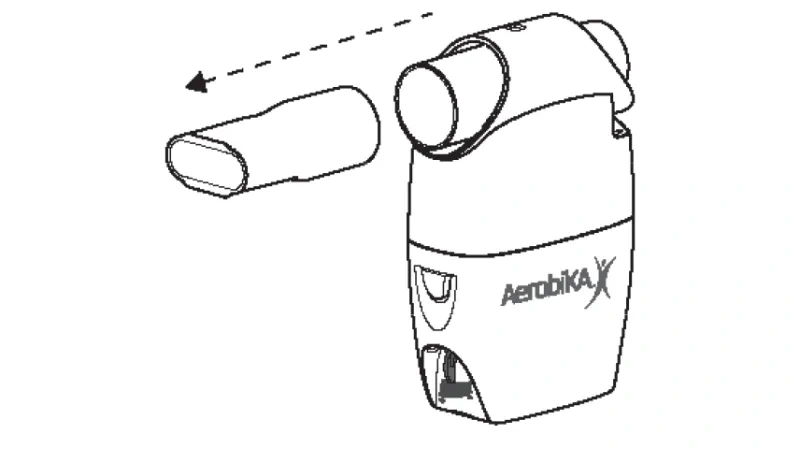
Step 1:
Remove the mouthpiece from the AEROBIKA* OPEP Device. To remove the mouthpiece, grip firmly and rotate while pulling away from device.
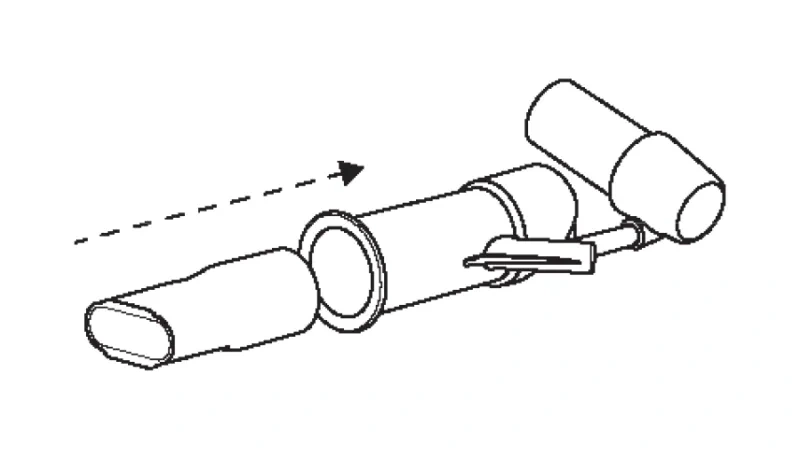
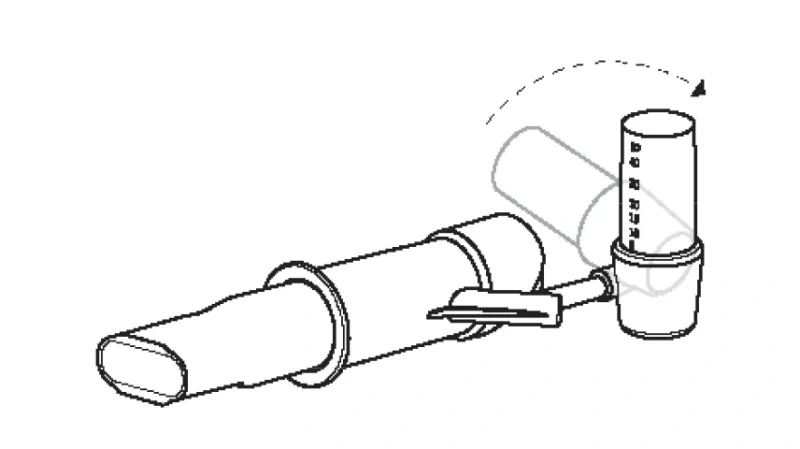
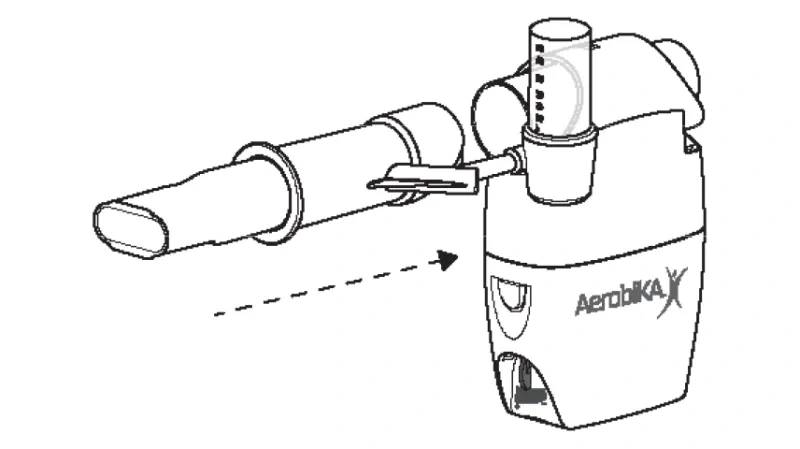
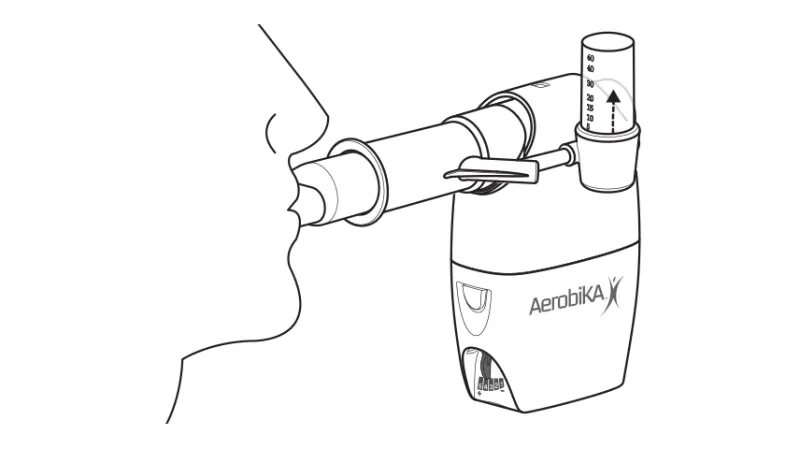
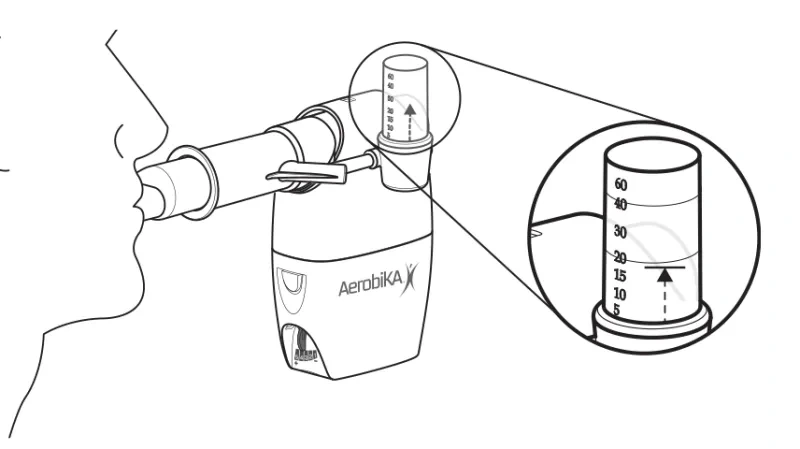
For more videos, visit our YouTube Playlist
Detailed Instructions
For more detail, download our instructions on how to use your AEROBIKA* OPEP device.
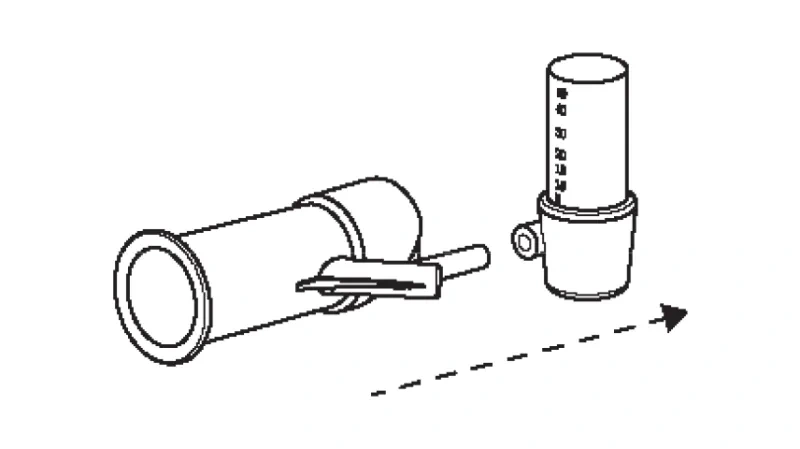
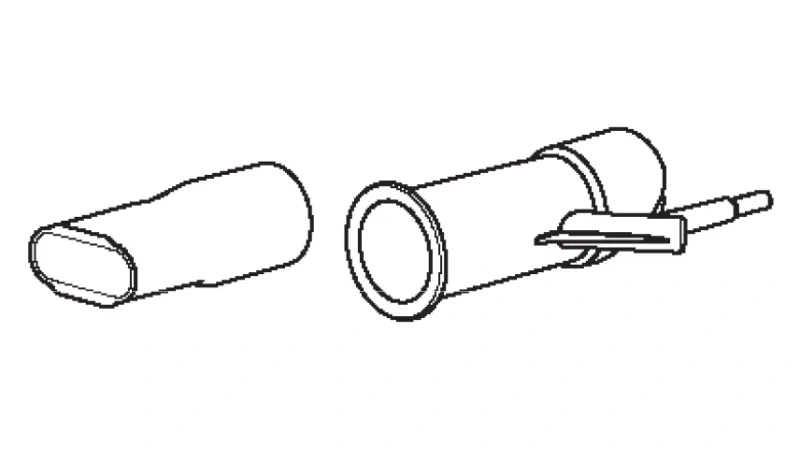
How to Disassemble the Manometer with the AEROBIKA* OPEP Device
Follow the steps outlined below or download our full instructions.
-
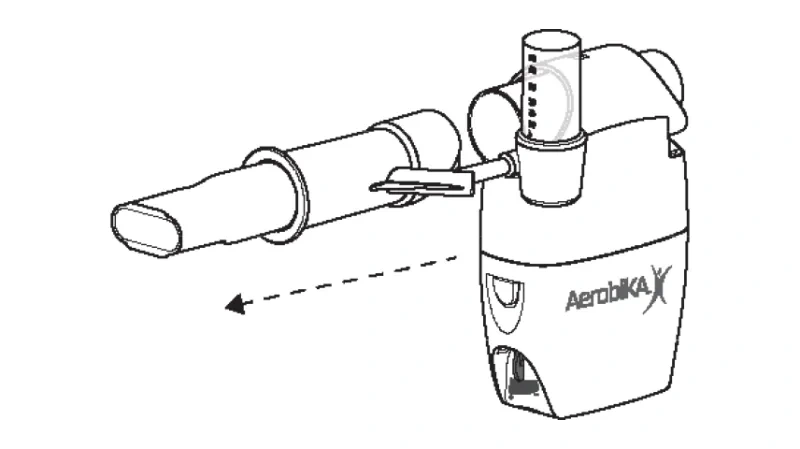
Step 1:
Remove the manometer adapter from the AEROBIKA* OPEP device.
How to Clean the Manometer Accessory and Aerobika* Device with Soap and Water
Follow the steps outlined below or download our full instructions.
-
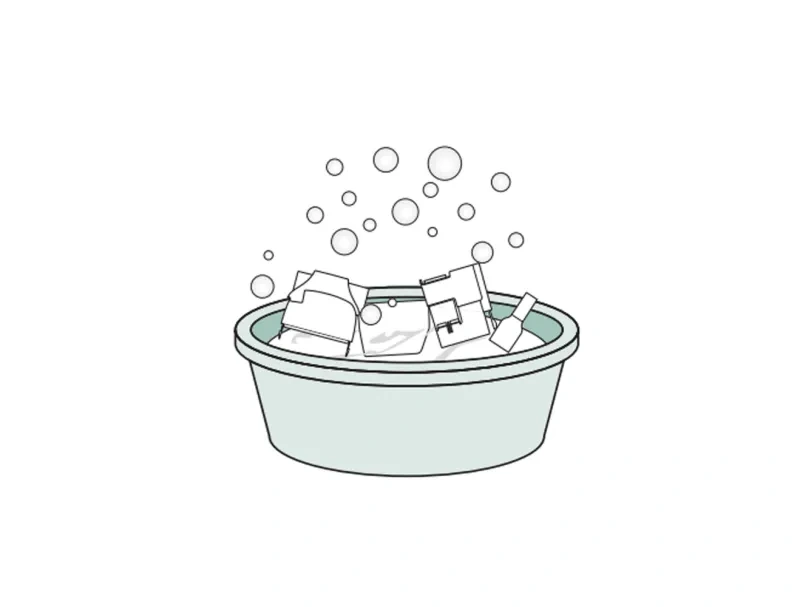
Step 1:
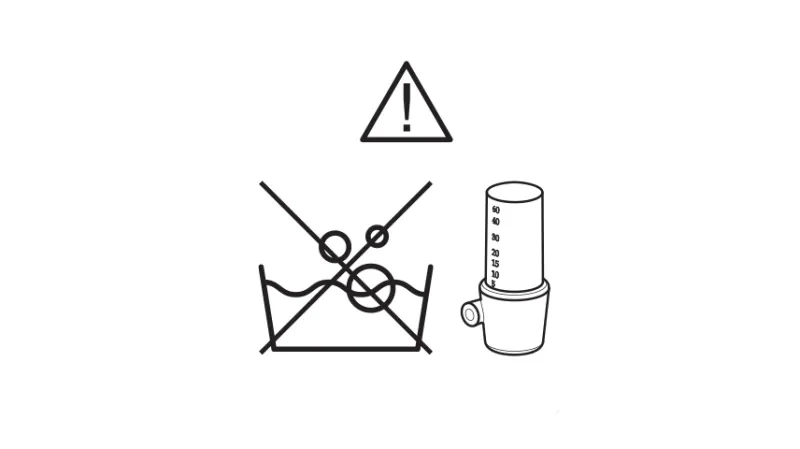
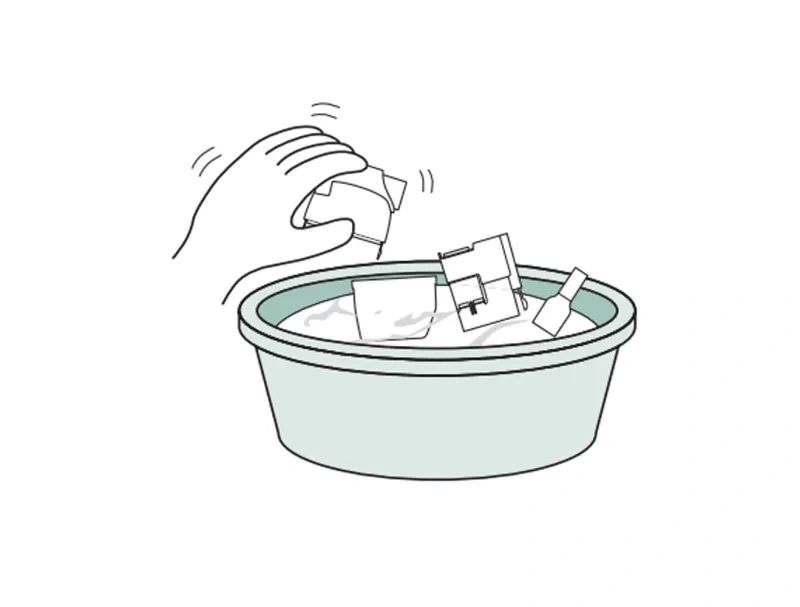
Wash the five parts in a solution of tap water and liquid dish detergent, allowing the parts to soak for 15 minutes. Agitate gently.
How to Clean the Manometer Accessory and Aerobika* Device in a Dishwasher
Follow the steps outlined below or download our full instructions.
-
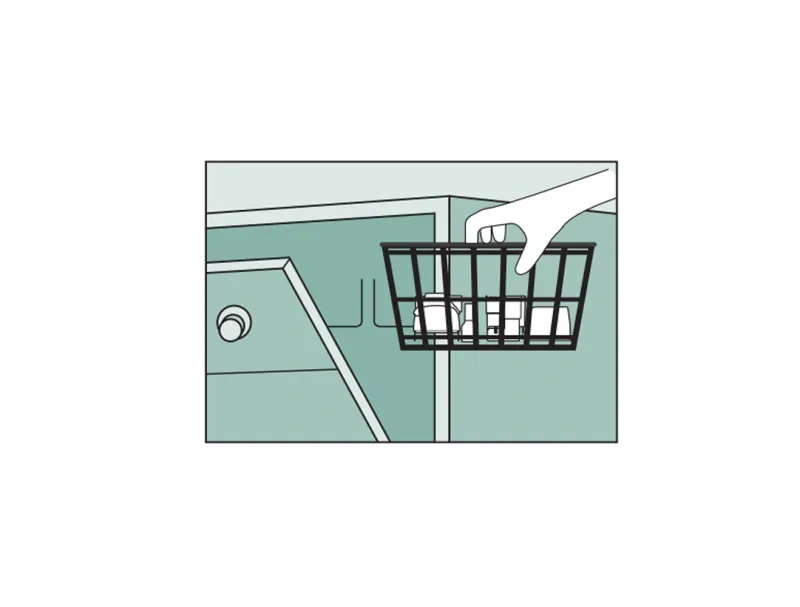
Step 1:
1. The five disassembled parts may be washed in a dishwasher by securing parts in a basket on the top rack. Wash in a normal wash cycle with dishwasher detergent, ensuring use of rinse aid
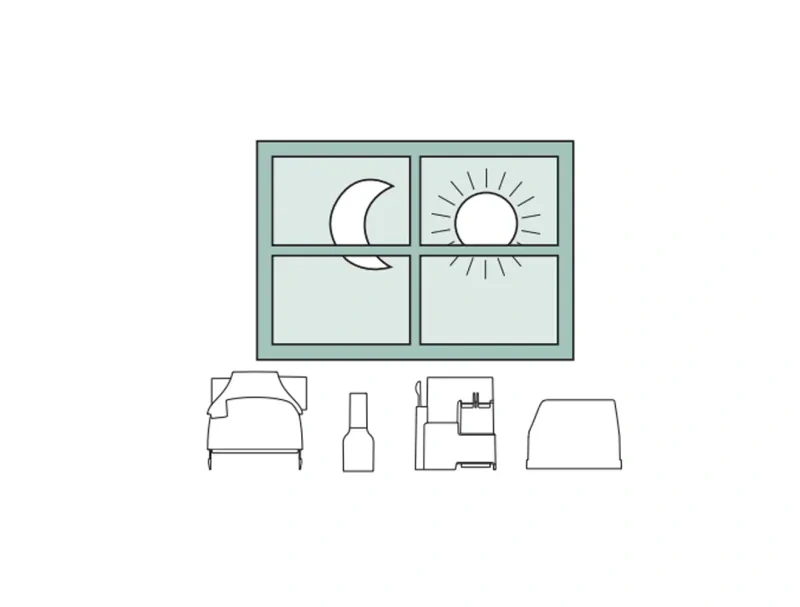
2. If excess water remains, shake the parts and allow to air dry thoroughly before reassembly
3. Washing with overly dirty dishes is not recommended
Complete Instructions for Use
For additional instructions on how to clean and care for your Manometer Accessory and AEROBIKA* OPEP device:
download our full Instructions for Use