Living with COPD
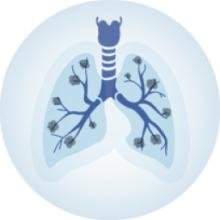
Chronic Obstructive Pulmonary Disease (COPD) affects around 251 million people globally.1 It is a term that covers two types of chronic (long-term) diseases where the airways in the lungs become “obstructed” or partly blocked.
More About COPD
COPD is a progressive disease, meaning it typically worsens over time. It cannot be cured, but it can be treated and managed so people with COPD can breathe better and live fuller lives.
What is COPD?
COPD consists of two types of breathing diseases (some people with COPD have both of these diseases):
- Chronic bronchitis which makes the airways inflamed, red and swollen. Airways cannot clear the mucus and the glands in the airways make extra mucus (phlegm), resulting in full or part blockage of some of the airways. This leads to shortness of breath, cough, and coughing up mucus
- Emphysema is when the alveoli (air sacs) in the lungs are damaged. When your alveoli are damaged or destroyed, it becomes difficult for the lungs to exchange oxygen and carbon dioxide and less oxygen gets into your body. Your lungs do not fully empty and air is trapped.

COPD Action Plan
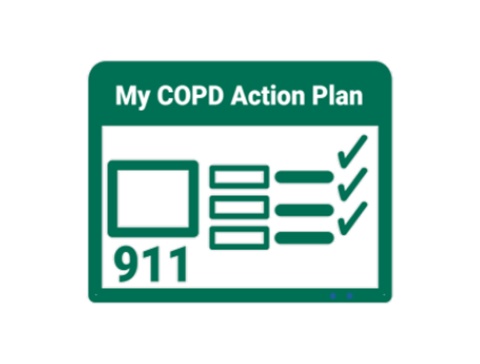
A COPD action plan is a written agreement between you and your doctor that spells out how to handle your symptoms as your condition changes. It should be tailored for you by a healthcare professional. Your action plan covers a full range of events, from when you feel good to if you need emergency medical care.
To better manage your COPD, develop a personalized COPD Action Plan with your healthcare team. You can bring this printable to your next healthcare appointment.

Signs & Symptoms
COPD patients usually have one or more of these symptoms:
- a cough that lasts a long time (3+ months)
- a cough with mucus
- feeling short of breath while doing daily activities, such as climbing the stairs or carrying groceries, jogging, etc.
- lung infections (colds and the flu) that may last longer than usual
- wheezing (a whistling sound when you breathe)
- feeling tired
- losing weight (without trying to)
Further Reading
If you have any questions or concerns about how to best manage your COPD, check out the links below or talk to your doctor or pharmacist.

Patty's COPD Story
Chronic obstructive pulmonary disease (COPD) is a progressive lung disease that results in breathing problems and poor airflow. Its impact on patients’ quality of life can be devastating, and its increasing prevalence in Canada is cause for concern — the disease affects over two million Canadians and this number continues to grow.
“COPD is a chronic airway disease. It’s never going to fully heal,” says Sheery Tse, a COPD educator at the Markham Stouffville Hospital. “If your COPD goes untreated, you’ll get more breathless and you’ll also be more prone to getting infections and/or pneumonia.”

Managing a Debilitating Disease
Patty Blasing was diagnosed with COPD in 2014. “I was getting a lot of pain and tightness in my chest,” she recalls. COPD’s effects limited her ability to enjoy day-to-day activities, like gardening and playing with her grandchildren. “I did less of certain things, because my chest would get really thick on me — it slowed me down,” she says.
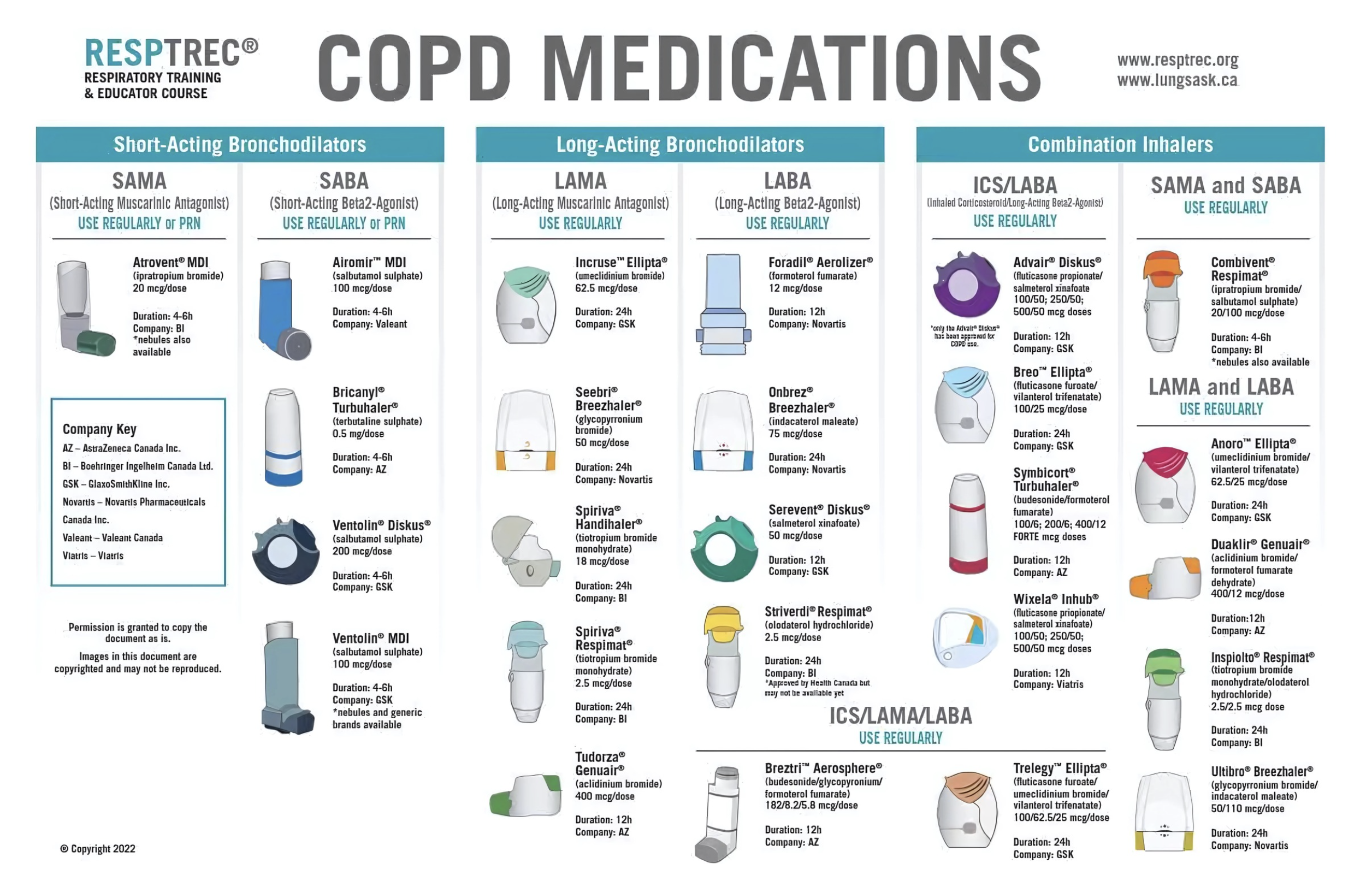
Fortunately, there are effective methods for managing COPD and keeping flare-ups under control. Beyond following one’s pharmaceutical treatment plan, many non-pharmacological treatments and lifestyle changes are helpful, including breathing exercises, exercise, healthy eating, and acupuncture. Tse emphasizes the importance of following a daily treatment plan that includes taking one’s medication, getting the flu shot as prescribed, and quitting smoking if necessary.
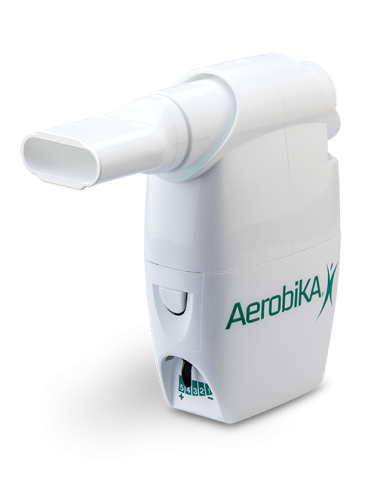
Another clinically-supported drug-free treatment that has shown promise in managing COPD and reducing flare-ups is the Aerobika* device. Over time, the coughing and lack of deep breathing that result from COPD can cause the small airways of the lungs to start to collapse and close up. “Using this device can open them up and also clear any of the phlegm that is down there,” explains Tse.
Empowering Patients to Take Back Their Lives
Using the Aerobika* device has been a vital tool for Blasing to get her COPD under control. “After I started to use it faithfully, I noticed a big difference in my chest,” she says. “It’s so simple to use. Just a few minutes here and there, and you’re done. It does so much for so little.” Most importantly, Blasing was able to return to her favourite daily activities. Ensuring the inhaler is being used correctly by checking technique with one’s health care provider is important in order to get the best results.
By having regular visits with their respiratory health specialist and following appropriate treatment plans, Canadians with COPD can improve their quality of life and prevent exacerbations in their disease. Every breath can and should be enjoyable for all Canadians, and with a growing amount of knowledge and tools, we’re getting closer to this ultimate goal.
Author: Tania Amardeil, ca.editorial@mediaplanet.com